


Uncategorized
Who invented the ballpoint pen? 11 facts about a brilliant idea
By its age alone, the ballpoint pen should really have retired long ago. Yet in everyday life it is more ubiquitous than ever – and far from ready for the sidelines.
Around 85 years ago, a pen resembling today’s modern ballpoint was filed for patent protection. Its rise to prominence is well known: the ballpoint is indispensable in every pocket, on every desk and at every trade fair, where it serves as an ideal promotional gift. Germans alone spend around 450 million euros on ballpoint pens each year.
Notes, contracts, signatures, letters: there is scarcely a sheet of paper on which the ballpoint pen does not leave its mark. Above all, one thing is true: it writes and writes and writes.
But who actually invented the ballpoint pen? And how did this groundbreaking idea come about? What did the Royal Air Force and NASA have to do with the rise of the ballpoint pen? We present 11 fascinating facts about the ballpoint and its creator – a Hungarian inventor who also made a name for himself in other fields.
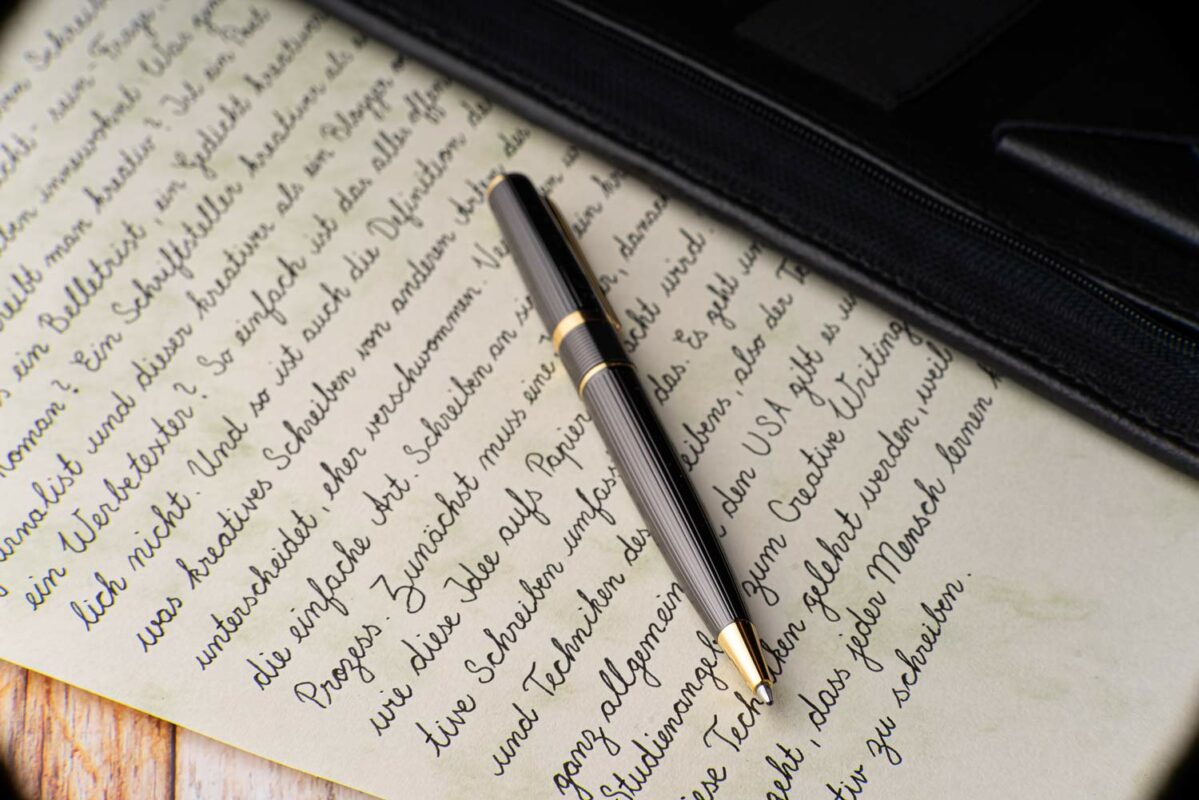
The office is almost in his name: the inventor of the ballpoint pen was called Biró
The inventor of the ballpoint pen was László József Biró. He was born in Budapest in 1899 and later became known for a range of inventions. The most famous is, of course, the ballpoint as we know it today. Biró, whose birth name was Schweiger – his Jewish family changed it to Biró six years later to align it more closely with their Hungarian home – began studying medicine when he was young (though he did not complete his degree), and also worked as an insurance broker and racing driver.

There were earlier predecessors to the ballpoint pen
Strictly speaking, inventors before Biró had already come up with ideas for pens resembling today’s ballpoint. But only resembling it. People were already writing with ink pens in the 16th and 17th centuries, and in the 19th century patents were even filed for writing instruments that carried their own ink supply. As a rule, however, these pens did not yet write with a ball – the feature so characteristic of the ballpoint pen – but with nibs.
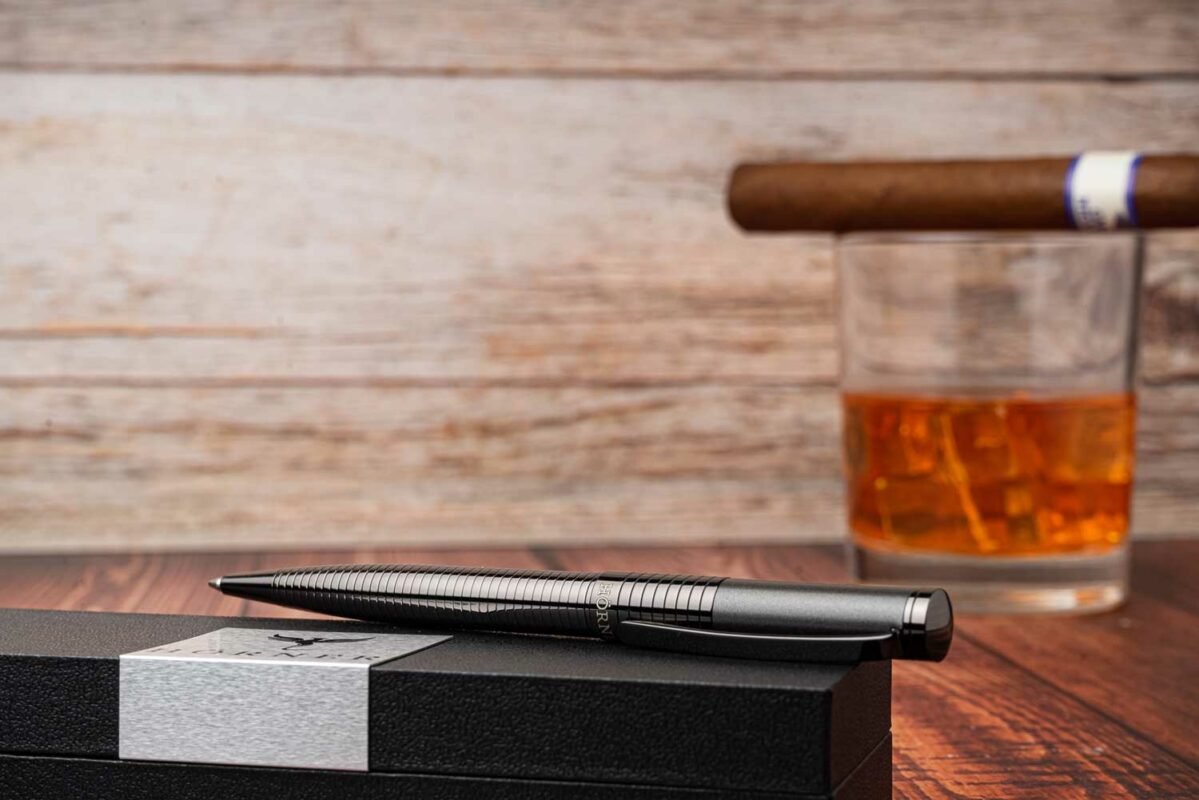
Biró filed a patent for his ballpoint pen in 1938
The idea of using a ball ultimately came from László József Biró. All he needed was a tube, a ball and ink guided through the tube to the ball. Together with several friends and acquaintances, he created the first ballpoint pen – and filed it for patent protection on 25 April 1938. The writing instrument was brought to market as the Go-Pen – today one might call it a writing instrument for life on the move.
The idea came from printing presses and marbles
In the 1930s, Biró worked as a journalist, author and publisher for several newspapers. Printing presses and his children’s marbles gave him the idea for the ballpoint pen: he wanted to invent a pen that wrote with ink without smudging – much like newspaper printing, only by hand. And what did the marbles have to do with it? He noticed that when they rolled through a puddle, they left a wet trail behind them. He transferred this principle into the ball at the end of the pen, which carries the ink onto the paper, where it then dries.
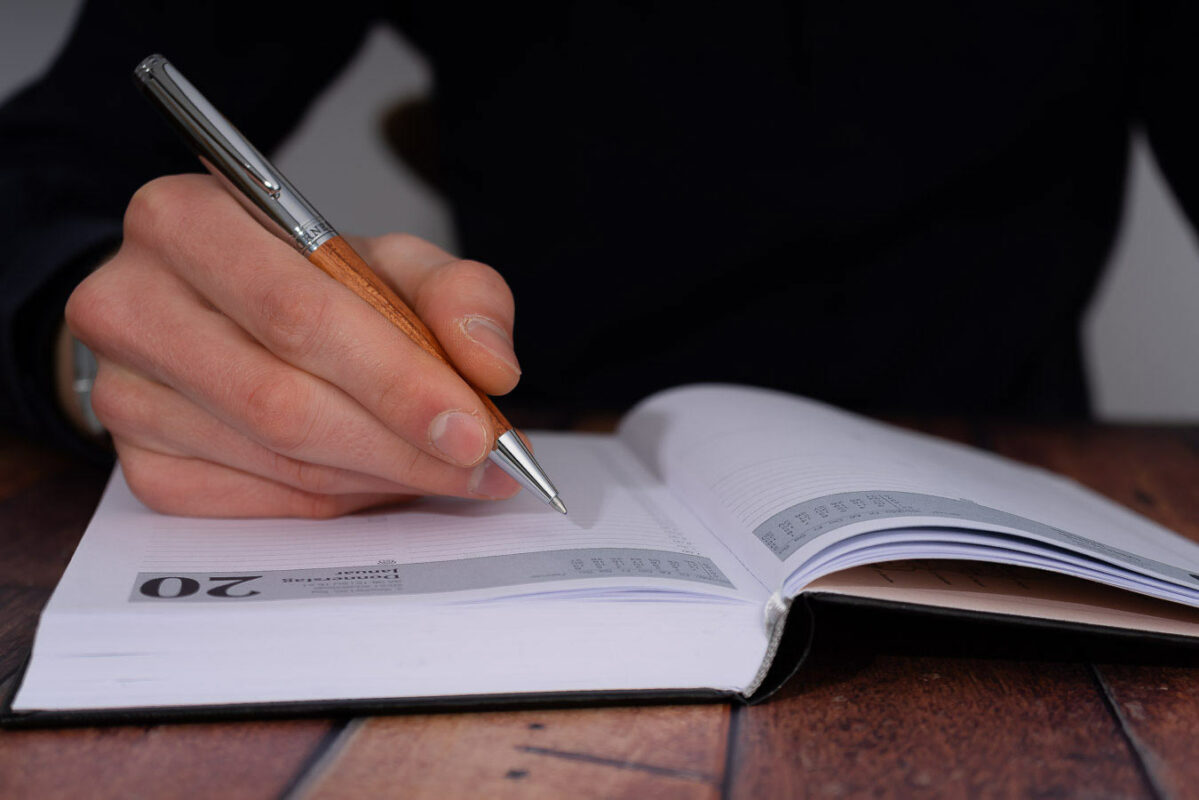
The Nazis prevented Hungary from becoming the first great ballpoint power
Biró was Jewish and came under increasing pressure towards the end of 1938. Hungary was allied with Nazi Germany. When a law was due to come into force at the end of 1938 prohibiting patents from being taken abroad, Biró and his family fled in time to France – from where they moved on to Argentina a short while later, as Jews in France also faced growing persecution. The result: Biró continued his research into ballpoints in South America and obtained a further patent in 1943, this time in the United States. On this basis, a factory in Argentina went on to produce seven million ballpoint pens each year.
The true breakthrough for the ballpoint pen came through another businessman
The Briton Henry George Martin quickly recognised the potential of the ballpoint pen – though initially for a rather unusual purpose: because the pen worked reliably at high altitudes and did not leak, he saw it as ideal for aircraft crews. Until then, they had struggled with fountain pens ceasing to function properly in the air. Martin promptly bought the patent rights from Biró and began series production. In 1944, he produced around 30,000 units for the Royal Air Force.
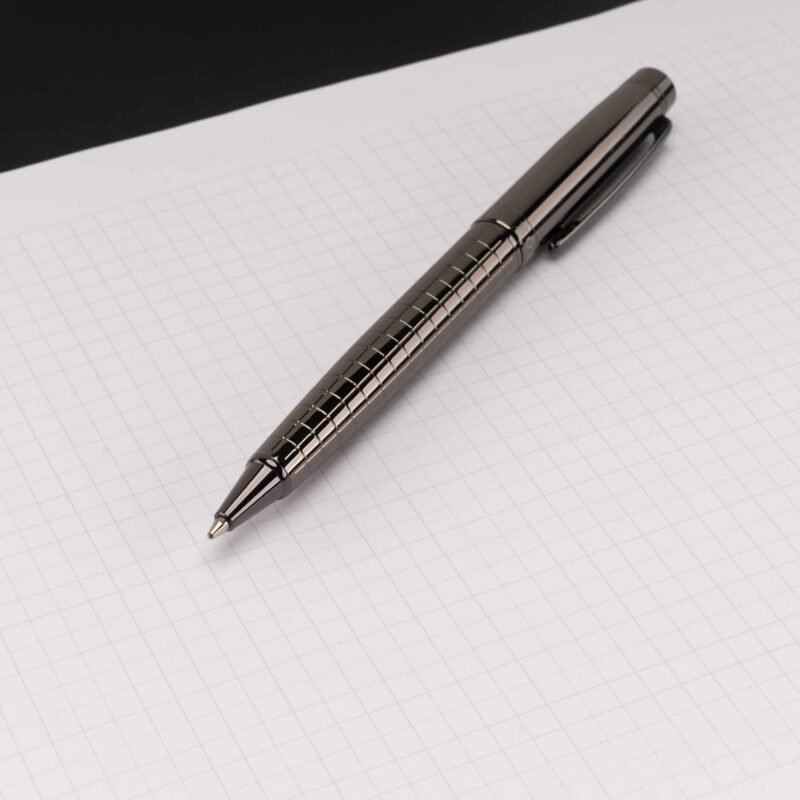
Mass production of the ballpoint began worldwide – often without buying the patent rights
By the mid-1950s, one billion ballpoints had been produced around the world – clear proof of the writing instrument’s enormous success even at that time. There was one drawback for the inventor of the ballpoint pen: some of them were made without the manufacturers acquiring the patent rights. Even so, Biró received patents for his invention in dozens of countries and can clearly be regarded today as the official inventor of the ballpoint pen.
In some countries, Biró is honoured in the language itself
Honour where honour is due: in many languages, the name Biró has found its way into the word for ballpoint pen. In Britain, for example, many people call it a “Biro”. The term is also common in Italy. France, by contrast, uses the name “Bic”, which has nothing to do with Biró but with another famous man: Marcel Bich. In the 1950s, he produced large numbers of affordable ballpoint pens and helped the writing instrument achieve its breakthrough.
Biró applied the principle to other things too – such as the roll-on deodorant
László József Biró was a true inventor whose ideas never ran dry. He also invented, for example, a perfume that can be regarded as a precursor to the roll-on deodorant. The principle is the same as with the ballpoint pen: the fragrance is applied to the skin via a ball. The idea failed commercially – and Biró continued experimenting, bringing several other perfumes to market. That said, as we now know, the roll-on concept eventually found its success after all.
The Space Pen works even in space – and is part of every NASA mission
We have already mentioned above that Biró’s invention once interested the Royal Air Force. Years later, an astronaut’s pen was even developed – the Fisher Space Pen, in which László József Biró had no involvement. Paul C. Fisher, together with other inventors, developed a special ink paste that also writes in zero gravity. The refill also works in extreme temperatures and is pressurised, allowing it to write when ordinary ballpoint pens would fail (for example with the tip pointing upwards). Since 1968, NASA has taken the Space Pen on its space flights.
Argentina honours the inventor of the ballpoint pen with a public holiday
Since 1986, one year after László József Biró’s death in Buenos Aires, his adopted home of Argentina has dedicated a public holiday to him. Inventors’ Day, observed on different dates in many countries around the world, is celebrated in Argentina each year on 29 September – Biró’s birthday. In doing so, the country expresses its pride that the inventor of the ballpoint pen lived in the South American nation for around 40 years after fleeing the Nazis during the Second World War.